
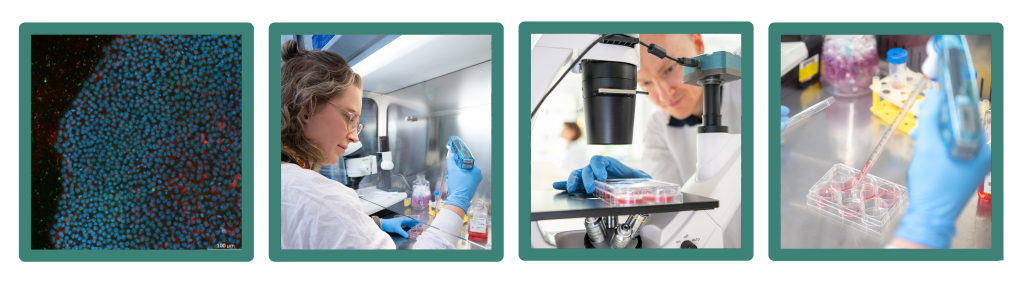
We generate and store high-quality patient-derived induced pluripotent stem cells (iPSCs) to support biological psychiatry research and development of stem cell therapies
How are iPSCs created?
Using samples of adult cells, usually blood or skin, we introduce specific genetic factors or reprogramming factors to “reset” the cell, returning it to a more primitive, stem cell-like state.
Why Collect Patient Stem Cells?
Studying the human brain presents several challenges. This remarkable organ contains a labyrinth of interrelated regions, comprised of an enormous number of cells. This complexity has often thwarted our attempts to uncover universal insights into brain function and development.
IPSCs can overcome several challenges associated with studying the human brain. Here’s how:

Disease Modelling: iPSCs can be used to create cellular models of psychiatric disorders. By generating iPSCs from patients with these conditions, researchers can recreate disease-specific cellular models. This helps in studying the mechanisms of the disease, identifying potential drug targets, and testing new therapies in a controlled laboratory setting.
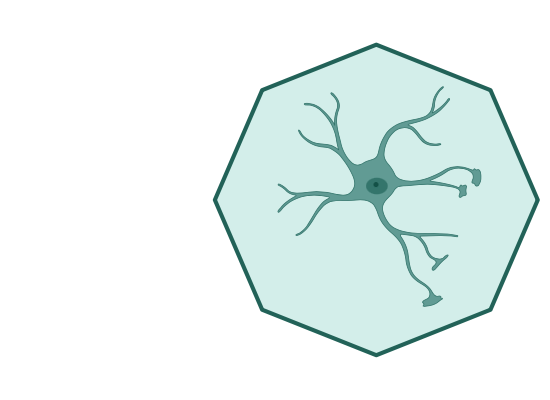
Cell Diversity: The human brain consists of numerous cell types. IPSC technology allows researchers to differentiate these stem cells into specific cell types found in the brain. This provides a platform for studying the functions of different brain cell types and how they interact in both healthy and illness states.

Drug Screening: By testing drugs on iPSC-derived cells, we can identify promising treatment compounds and avoid potential harm to patients.

Personalisation: iPSCs can be generated from individual patients, creating a personalised model of their cells. This allows researchers to study diseases, test drug responses, and develop potential therapies specific to that patient’s genetic makeup.

Understanding Development: iPSCs can be differentiated into neural cells to study brain development. This helps in understanding the processes involved in the formation and maturation of brain cells, which is crucial for unraveling developmental causes of psychiatric disorders.
APSR Team:
Maria Di Biase – Director
Jordan Clarke – Stem Cell Production and Quality Assurance
Maciej Daniszewski – Stem Cell Production and Quality Assurance
Cassandra Hoffman – Quality Assurance
 Australian Psychiatry Stem Cell Resource